


In the competitive landscape of digital products, functionality alone no longer guarantees success. Users have countless alternatives at their fingertips, and their tolerance for poor experiences has diminished significantly. UI/UX design has evolved from a nice-to-have to a critical factor that determines whether applications thrive or fail.
Understanding UI and UX
While often mentioned together, UI (User Interface) and UX (User Experience) represent distinct but interconnected disciplines. User Experience encompasses the entire journey a user takes with a product, including their emotions, perceptions, and responses before, during, and after interaction. User Interface focuses specifically on the visual and interactive elements through which users engage with the product.
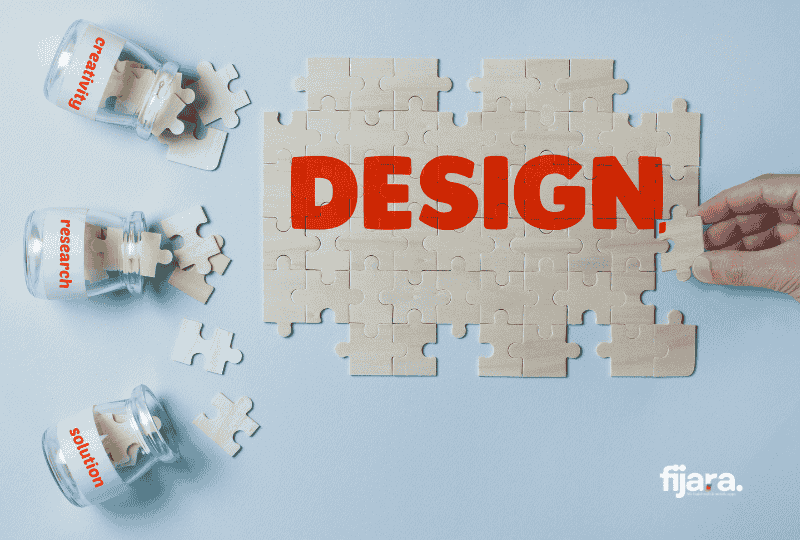
Effective UX design requires understanding user needs, behaviors, and pain points through research, then designing solutions that address these factors. UI design translates UX decisions into tangible visual elements: layouts, colors, typography, icons, and interactive components that users see and touch.
The Business Impact of Design
First Impressions and Credibility
Users form opinions about applications within milliseconds of their first interaction. Research suggests that it takes about 50 milliseconds for users to form an opinion about a website or application. Poor design immediately signals unprofessionalism and erodes trust, often before users engage with actual functionality.
Conversely, polished, thoughtful design establishes credibility and encourages users to explore further. In competitive markets where users compare multiple options, superior design can be the differentiator that wins their attention and trust.
User Engagement and Retention
Good UX design removes friction from user journeys, making it easy for users to accomplish their goals. When tasks are intuitive and satisfying, users engage more deeply and return more frequently. Poor design creates frustration that drives users away, often permanently.
Consider the impact on key metrics: reduced bounce rates, increased session duration, higher conversion rates, and improved retention. Each of these metrics translates directly to business value, whether through increased revenue, reduced customer acquisition costs, or improved customer lifetime value.
Reduced Support Costs
Intuitive applications require less user support. When users can accomplish tasks without confusion, they submit fewer support tickets, require less training, and experience less frustration. The cost savings from reduced support needs can be substantial, particularly for applications with large user bases.
Competitive Advantage
In markets where multiple products offer similar functionality, design becomes a primary differentiator. Users gravitate toward applications that feel more pleasant to use, even when alternatives offer comparable features. This preference for well-designed products creates sustainable competitive advantage that is difficult for competitors to replicate.
Key Principles of Effective UI/UX Design
User-Centered Design
Effective design begins with understanding users, not assumptions about what they want. This involves user research, persona development, and continuous feedback integration. Decisions are based on evidence about user needs rather than stakeholder preferences or designer intuition.
Simplicity and Clarity
The best designs eliminate unnecessary complexity. Every element should serve a purpose, and users should be able to understand how to accomplish tasks without instruction. This does not mean removing functionality, but rather presenting functionality in clear, digestible ways.
Consistency
Consistent design patterns reduce cognitive load. When similar elements behave similarly throughout an application, users develop mental models that help them navigate confidently. Inconsistency forces users to relearn interactions, creating friction and confusion.
Feedback and Responsiveness
Users need confirmation that their actions have been received and processed. Effective designs provide immediate feedback through visual changes, animations, and messages that acknowledge user input and communicate system status.
Accessibility
Good design is inclusive design. Applications should be usable by people with diverse abilities, including those with visual, auditory, motor, or cognitive impairments. Accessibility is not only ethically important but also expands your potential user base and often improves usability for all users.
The Design Process
Professional UI/UX design follows structured processes that ensure quality outcomes. While specific methodologies vary, effective design typically includes discovery and research phases to understand users and requirements, information architecture to organize content and functionality logically, wireframing to establish layouts and user flows before visual design, visual design to create the actual interface elements, prototyping to test interactions before development, and usability testing to validate designs with real users.
This process is iterative, with findings from later stages informing refinements to earlier decisions. Skipping steps or rushing through the process often results in designs that fail to meet user needs.
Common Design Mistakes
Many applications suffer from preventable design problems. These include prioritizing aesthetics over usability, making applications visually impressive but difficult to use. Another common mistake is ignoring mobile users and designing primarily for desktop without adequate consideration for mobile experiences. Overloading interfaces by trying to show everything at once rather than progressively revealing complexity is also problematic. Inconsistent patterns that use different approaches for similar functions throughout the application confuse users. Finally, neglecting performance, where beautiful designs that load slowly frustrate users regardless of visual appeal, undermines the entire user experience.
Investing in Design
Organizations that invest in UI/UX design consistently outperform those that treat design as an afterthought. This investment includes hiring skilled designers, conducting user research, following structured design processes, and allocating time for design iteration.
The return on this investment manifests in improved user metrics, reduced development rework, lower support costs, and stronger market positioning. Design is not a cost center but a value driver that impacts business outcomes across multiple dimensions.
For applications where user experience matters, and in the digital age that includes most applications, professional UI/UX design is not optional. It is a fundamental requirement for success.